What OSHA Requires for Brandywine Construction Toilets
A crew short on job-site toilets can lose time and create a sanitation problem; OSHA sets minimum toilet counts by workforce size under 29 CFR 1926.51©. The rule is a starting point, not a complete accessibility checklist.
| Employees on site | OSHA minimum toilet facilities |
|---|---|
| 20 or fewer | 1 |
| More than 20 | 1 toilet seat and 1 urinal per 40 workers |
| 200 or more | 1 toilet seat and 1 urinal per 50 workers |
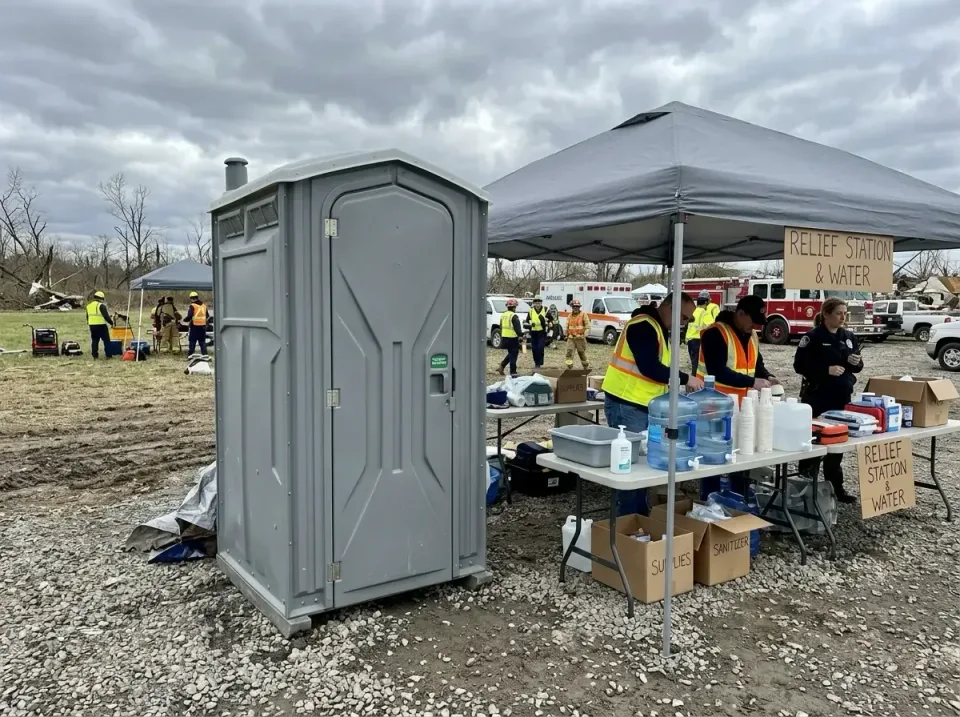
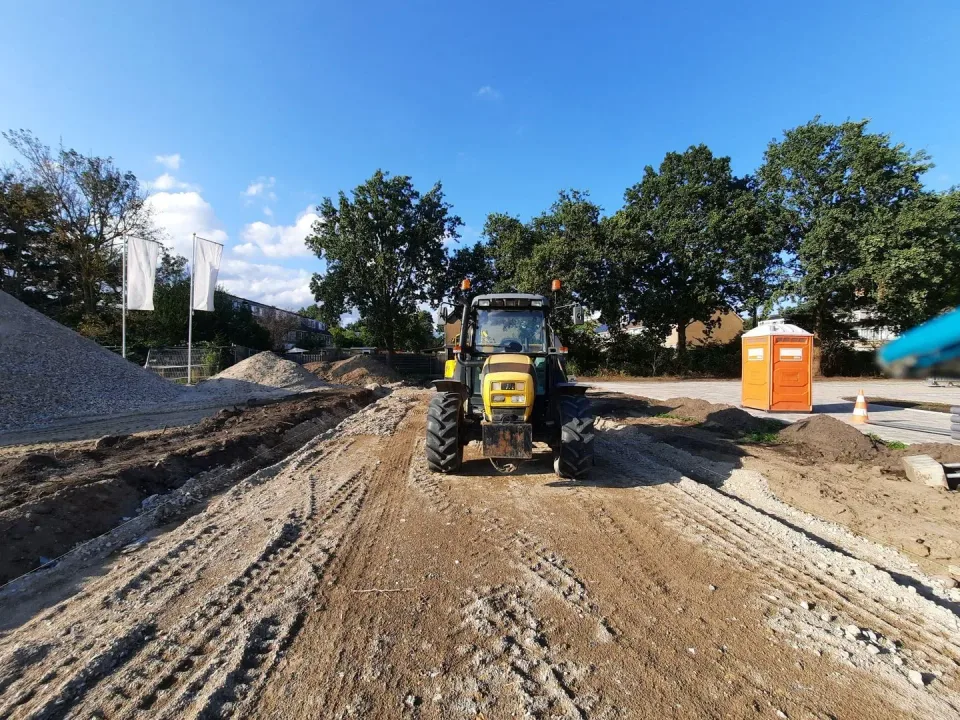
At Brandywine Elementary School-area projects, the site manager should include toilet access in the crew plan rather than wait for complaints. Maryland Route 5 can shape a delivery window, so confirm the truck route and arrival timing before scheduling. Heavy rain can soften unpaved placement areas; choose firm ground or have a backup spot ready to avoid a unit sinking or becoming difficult to reach.
What does 1926.51(c) require by crew size?
A crew manager counting workers should use the OSHA thresholds, not guess based on the number of shifts. For 20 or fewer employees, the standard requires at least one toilet facility; above 20, it sets a toilet-seat and urinal ratio of one each per 40 workers, and at 200 or more, one each per 50. Plan for the largest number of employees present at one time, and confirm the current standard and site circumstances with the responsible safety professional.
Keep the facilities usable throughout the workday. A toilet delivered but blocked by materials, locked away from workers, or left without needed service does not solve the practical sanitation problem.
Our crew asks where workers enter, where equipment moves, and how the service truck can reach the unit before settling on placement. Near Old Crain Highway, a tight staging plan can matter as much as the unit count.
Does OSHA’s toilet rule settle accessibility?
No. OSHA 29 CFR 1926.51© addresses construction sanitation and minimum toilet provisions; it should not be treated as a substitute for applicable accessibility requirements.
The Americans with Disabilities Act and the 2010 ADA Standards may apply independently, depending on the facility and situation. A worker who cannot enter a restroom still has an access problem even if the site meets the OSHA count.
The useful field check is whether the selected unit, entry, and route work together for the intended users. At a project near Show Place Arena, do not leave the accessible unit behind a temporary fence, cords, or stacked materials.
Southern Area Aquatics and Recreation Complex is another recognizable local reference point for planning how site traffic and restroom access fit together. Our placement check focuses on the actual approach and operating space, not just the delivery location.
How do weather and service access affect the plan?
Spring rain often saturates grass and construction sites, so a truck or unit placed on soft ground may rut the route or become hard to service. Snow and ice can obstruct service vehicle access, making a clear winter approach part of the plan rather than an afterthought. Atlantic hurricane remnants sometimes bring heavy rainfall; build flexibility into delivery and service coordination when forecasts point to difficult conditions.
Variable winter temperatures call for weather-aware unit placement, especially where water-dependent handwashing equipment is involved. On a site reached from Aquasco Road, identify a stable location and keep the service approach free of stored materials.
A failed access route can delay pumping and waste haul-off. We confirm the intended service path with the site contact before delivery and discuss a backup location if ground conditions change.
When should you handle placement yourself?
A site supervisor can mark a proposed location, count the maximum crew, and keep a route clear of cords and stored supplies. Those are sensible in-house tasks. Call a portable sanitation professional when the truck cannot reach the spot, ground conditions are uncertain, or the accessible route and unit placement conflict. Moving a loaded unit or improvising a ramp can create a safety hazard; stop and ask for a placement review instead.
Our crew coordinates delivery, service access, and pickup with the site manager, then communicates when conditions may affect the plan. That is especially useful when snow or a saturated work area changes vehicle access after booking.
For related planning, see Can the Delivery Truck Reach Your Site? Plan Accessible Toilet Placement and Accessible Construction Toilet Rental.
Which Toilet Setup Fits an OSHA Construction Site?
The OSHA count sets a sanitation minimum; the right equipment depends on access, site layout, and who must use it. A unit that cannot be reached or serviced is a poor fit.
Freeze-thaw cycles create uneven ground and muddy access, so inspect the proposed route before committing a delivery spot. Autumn foliage can conceal soft ground and drainage paths; clear the area enough to see where water collects.
Near Gwynn Park High School, make the placement plan specific rather than assuming a lawn or shoulder is firm. Brandywine Road access can also affect how the truck approaches the chosen location.
| Option | Best for | Key detail |
|---|---|---|
| ADA portable toilet rental | Accessible individual facility | 32-inch minimum clear door width, where applicable |
| Ramp-access restroom | Sites needing a ramped approach | Maximum slope 1:12, where applicable |
| Accessible restroom trailer | Higher use or more interior space | Capacity varies by configuration |
| Accessible construction toilet | Ongoing job-site sanitation | Footprint varies by model |
How Do You Plan OSHA Toilet Service on Site?
Start with the peak crew count, then verify the proposed location and access with the person managing the site. Small checks prevent delivery and servicing snags.
-
Count the workforce: Apply the OSHA threshold to the largest number of employees expected on site at one time.
-
Choose a stable location: Check that the unit and service vehicle can reach the spot from the planned approach.
-
Clear the route: Keep the access path free of cords, equipment, and stored materials.
-
Set the service plan: High summer humidity can accelerate odors between services, so share crew size and work duration when arranging visits.
-
Confirm truck access: Accokeek Road, Cedarville Road, and Croom Road are useful route references to discuss when confirming the delivery approach; do not assume a truck can turn or park at the proposed spot.
Gwynn Park Middle School-area work can use the same checklist: confirm access, placement, service, and pickup with the site contact before delivery.
Plan Construction Toilets Before Work Begins
OSHA’s construction sanitation rule gives a minimum count; crews still need a usable facility, a workable service route, and a placement plan that fits site conditions. Act before the crew arrives.
For a project near Merkle Wildlife Sanctuary, leave room in the schedule for weather-related delivery changes; summer thunderstorms can delay deliveries and pickups. North Keys Road is a practical route detail to share when confirming site access. Near Piscataway Creek, discuss the proposed location and approach with the site contact instead of assuming conditions are the same across the property.
Contact Maryland Toilet Pros to discuss an accessible construction unit, crew size, placement, and servicing needs in Brandywine. Call (844) 402-2049 with the site address and expected schedule so our crew can review the delivery plan.